The key players in the art market: A look at the dynamics of the art world

Overview of the key players
The art market is a highly complex ecosystem whose dynamics are defined by a finely tuned interplay of key players such as artists, galleries, collectors, and institutional actors. Each of these parties acts as a cog in a machine that translates cultural values into economic realities. While curators and critics shape the intellectual discourse, advancing digitalization drives structural change and opens up groundbreaking perspectives for the global art trade.
Contents
The art market is a fascinating system whose stability rests on the synergy of diverse players. In this analysis, we examine the key figures in this sector and investigate their individual influence on price formation and trend development. For players—from established collectors to emerging artists—a thorough understanding of these roles is essential for a precise art market analysis.
1. The artists: Creative minds and trendsetters
At the epicenter are the artists. They are the creators of the cultural raw material whose uniqueness generates market value. Modern artists increasingly operate in a hybrid fashion: they maintain their physical presence in studios while simultaneously using digital platforms for direct communication with a global audience. This increased visibility allows them to actively shape trends and build their own community even before they go through the traditional gallery process.
2. Galleries: Intermediaries between artist and buyer
Galleries act as the most important interface in the primary market. Their role extends far beyond mere sales:
Career management: They develop long-term strategies for their artists.
Curation: Carefully conceived exhibitions contextualize works and increase their institutional relevance.
Advice: Collectors receive sound advice and exclusive insights into investment opportunities that are not available on the public market.
3. Art collectors: The investors of the art market
Collectors are far more than mere buyers; they are market shapers. Their acquisition policy can cement an artist's career or initiate new movements.
Collector's tip: A sustainable portfolio requires a balance between passion and market analysis. Networking within insider circles and attending international trade fairs are essential to developing a feel for market volatility.
4. Art Consultants: Navigational Aids in the Art Market
In an increasingly complex market, art consultants provide indispensable guidance. They identify undervalued talent and manage acquisition processes. Their expertise in art market analysis protects collectors from speculative bubbles and secures access to works that remain under the radar of the general public.
5. Auction houses: The marketplace for works of art
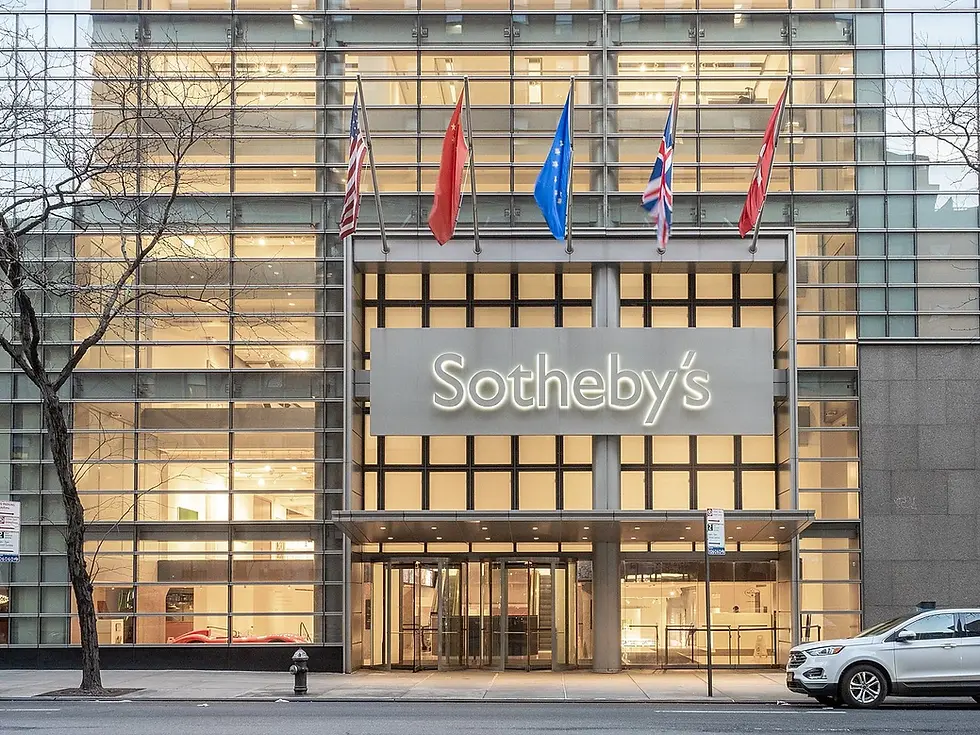
Auction houses like Christie's or Sotheby's represent the secondary market. Here, art becomes a tradable commodity with a public price tag. The "hammer prices" achieved there serve as a global benchmark. Auctions generate a psychological dynamic that can significantly increase an artist's value within minutes and attract investors seeking liquidity and transparency.
6. Art Patrons: The Supporters of the Art Scene
Patrons often operate behind the scenes, but are indispensable to the infrastructure of the art world. Through foundations and donations, they finance projects that are not (yet) commercially viable, but which advance cultural discourse. They enable artists to experiment freely and ensure the continued existence of museums and biennials.
7. Art Curators: The Storytellers of Art
Curators are the architects of perception. Through the selection and arrangement of works in museums or at art fairs, they lend art a deeper level of meaning. Inclusion in a curated group exhibition can be an important seal of approval for an artist, sustainably stabilizing their market value.
8. Art critics: The voice of analysis
Criticism acts as an intellectual corrective to the market. Critics analyze works within their art historical context and assess their relevance. While commercial success often occurs independently of criticism, a positive academic reception secures an artist's long-term place in the canon of art history—a crucial factor for resale value.
9. The influence of technology on the art market
Technological advancements have shattered the ivory tower of the art world. Digital sales platforms and NFTs have revolutionized the concept of ownership. Smart contracts allow artists, for the first time, to participate in resales on the secondary market – a structural innovation that shifts the balance of power in favor of creators.
Exciting perspectives for the future of the art market
The art market of the future will be more hybrid, transparent, and global. Sustainability in production and diversity in curation will move into focus for collectors. Digitization is not a replacement for the physical experience, but a powerful tool for democratizing the market. Whether collector, artist, or consultant – the ability to adapt to these new standards will determine future success in this inspiring industry.
FAQs
Who are the main players in the art market?
The main players in the art market are artists, galleries, art collectors, art consultants, auction houses, art patrons, art curators and art critics.
What role do artists play in the art market?
Artists are at the center of the art market and determine art trends with their visions and works.
How do galleries support artists and buyers?
Galleries act as intermediaries between artists and buyers, organize exhibitions, and develop marketing strategies to promote the works of their artists.
What is the role of art collectors in the art market?
Art collectors are not only passionate art lovers, but also investors whose decisions can influence trends in the art market.
How does technology influence the art market?
Technology has revolutionized the art market through online platforms, digital exhibitions, and NFTs, which allow artists to communicate directly with buyers.


Comments